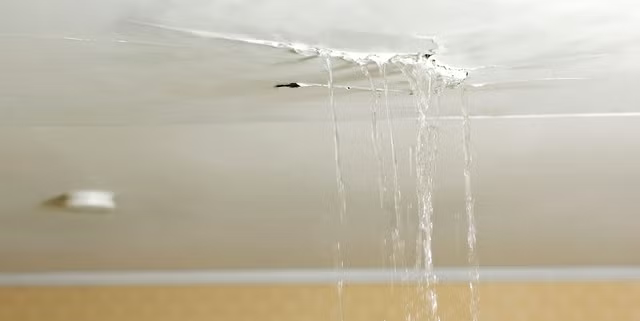
Have you noticed water dripping from the side of your radiator or a damp patch forming underneath it?
A leaking radiator valve is a common central heating problem that should not be ignored. Even a small drip can damage flooring, skirting boards and nearby surfaces if it continues.
Radiator valves control the flow of water into and out of the radiator. When a valve, seal or connection becomes worn or damaged, water may begin to escape.
This guide explains why radiator valves leak, what warning signs to look for and when to contact a heating professional in South London.
1. Why Is My Radiator Valve Leaking?
There are several possible reasons for a radiator valve leak.
Worn Valve Seals
Radiator valves contain internal seals that help prevent water from escaping.
Over time, these seals can deteriorate through regular use, age and general wear. Water may then begin to drip around the valve body or connection.
Loose Pipe Connections
The joints connecting the radiator valve to the pipework may develop leaks.
You might notice small drops of water around the nut or fitting, particularly when the central heating is running.
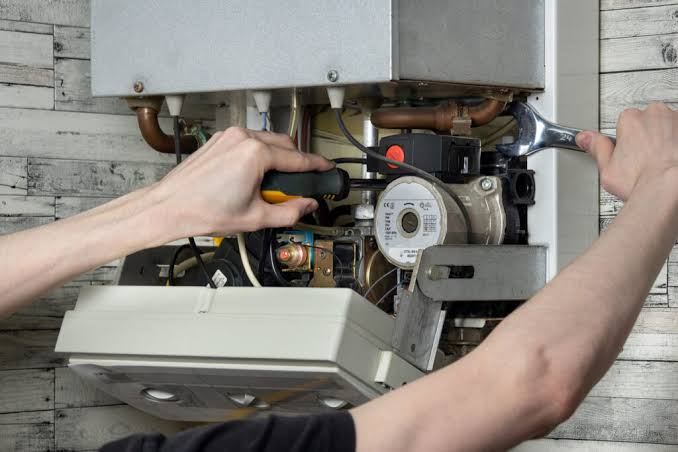
A professional can check the connection and determine whether it needs adjustment or replacement.
Damaged Radiator Valve
A valve can become damaged through wear, corrosion or accidental impact.
If water is leaking from the valve body itself, replacing the affected component may be necessary.
Faulty Thermostatic Radiator Valve (TRV)
A thermostatic radiator valve controls the radiator’s temperature by regulating the flow of hot water.
If its internal parts or seals become worn, it may begin to leak around the valve.
Corrosion Around the Connection
Corrosion can affect older radiator valves and pipe connections. If the metal components have deteriorated, tightening the connection may not solve the problem.
A professional inspection can establish whether the valve or another component needs replacing.
2. How to Identify Where the Radiator Is Leaking
The location of the water can provide useful clues about the possible fault.
| Where you notice water | Possible cause |
|---|---|
| Around the radiator valve | Worn valve or seal |
| Near the pipe connection | Loose or damaged joint |
| Around the radiator bleed point | Faulty or loose bleed valve |
| From the radiator panel | Corrosion or damage |
| Around the valve spindle | Worn internal seal or packing |
These are common possibilities rather than a confirmed diagnosis. A heating professional can identify the exact source.
3. What Should You Do If Your Radiator Valve Starts Leaking?
If you discover a leak, act promptly to limit water damage.
- Switch off the central heating and allow hot components to cool.
- Place a suitable container or towel beneath the leak.
- Keep electrical equipment away from leaking water.
- Avoid forcing the valve or tightening unfamiliar fittings.
- Arrange a professional inspection if the leak continues.
If you can safely identify the radiator’s isolation valves and know how to operate them, follow the manufacturer’s or a professional’s guidance. Otherwise, leave them alone and contact a plumber.
Do not remove the radiator or attempt to drain the heating system unless you are competent to do so.
4. Can a Leaking Radiator Valve Affect Boiler Pressure?
It can.
Many sealed central heating systems operate under pressure. If water escapes through a radiator valve, the pressure in the system may gradually fall.
You may notice that the boiler pressure needs attention more frequently than usual.
However, a pressure drop does not automatically mean a radiator valve is responsible. Other leaks or system faults can also cause pressure loss.
If you suspect a leak, arrange an inspection rather than repeatedly topping up the system without identifying the cause.
5. Should You Repair or Replace a Leaking Radiator Valve?
The right solution depends on the condition and location of the leak.
- Minor seal problem: The affected seal or internal component may be repairable.
- Damaged valve: Replacement may be more appropriate.
- Corroded connection: The affected fitting or pipework may need attention.
- Damaged radiator: A wider repair or radiator replacement may be required.
A professional can assess the condition of the valve and recommend the most suitable option.
6. How Can You Help Prevent Radiator Valve Leaks?
Although wear and ageing cannot always be prevented, regular attention to your heating system can help you spot potential issues early.
- Check around radiator valves for signs of moisture.
- Look for rust or corrosion around connections.
- Pay attention to unexplained boiler pressure changes.
- Avoid forcing radiator controls.
- Arrange repairs when you notice persistent drips or damp patches.
Early action can help prevent a small leak from causing more extensive damage.
Need Radiator or Heating Repairs in South London?
A leaking radiator valve should be investigated before it causes further water damage or affects your central heating system.
GasFlow4U provides heating-related services in South London. If you have noticed a leaking radiator valve or another heating problem, contact the team to discuss your requirements and confirm the appropriate service.
Explore our Heating Services or Contact GasFlow4U to discuss your heating issue.
Frequently Asked Questions
Why is my radiator valve dripping water?
Common causes include worn seals, damaged valve components, loose connections or corrosion around the fitting.
Can I use my heating if a radiator valve is leaking?
A leak should be assessed promptly. If water is escaping, switch off the heating and allow hot components to cool while you arrange professional advice. Avoid using a system that is losing water until the problem has been assessed.
Can a leaking radiator valve cause low boiler pressure?
Yes. Water escaping from a sealed central heating system can cause its pressure to fall. However, other leaks and faults can produce the same symptom.
Is it better to repair or replace a leaking radiator valve?
It depends on the cause and condition of the valve. A worn seal may be repairable, while a damaged or corroded valve may need replacing.
Who can repair a leaking radiator valve in South London?
A suitably qualified heating professional or plumber can inspect the valve, identify the leak and recommend the appropriate repair.